Traumatic Dental Injury Treatment in Pasadena, CA
A traumatic dental injury can happen in an instant — a fall, a collision, a sudden impact — and the minutes that follow matter more than most people realize. If you or someone you care about has experienced a knocked-out tooth, a broken tooth, or any significant dental trauma in Pasadena, Dr. Joshua Lee, DDS is here to help right now. Joshua Dental offers same-day availability for dental trauma cases, and every step of your care — from initial evaluation through surgical treatment and restorative follow-up — is handled in-house without the need for a referral. You don't have to navigate multiple offices or wait days for specialist access. We'll take care of you, start to finish.
Types of Traumatic Dental Injuries We Treat
Dental trauma covers a wider range of injuries than most patients expect. Understanding which type of injury you're dealing with helps Dr. Lee determine the right course of action quickly. As part of our oral surgery and extractions services, we treat all of the following.
Knocked-Out Teeth (Avulsion)
A fully knocked-out tooth — called an avulsion — is one of the most time-sensitive dental emergencies that exists. If the tooth is handled and transported correctly and you reach us within 30 to 60 minutes, there is a meaningful chance the tooth can be reimplanted. If reimplantation is not possible, we will discuss replacement options, including a dental implant, during the same visit.
Chipped, Cracked, and Broken Teeth
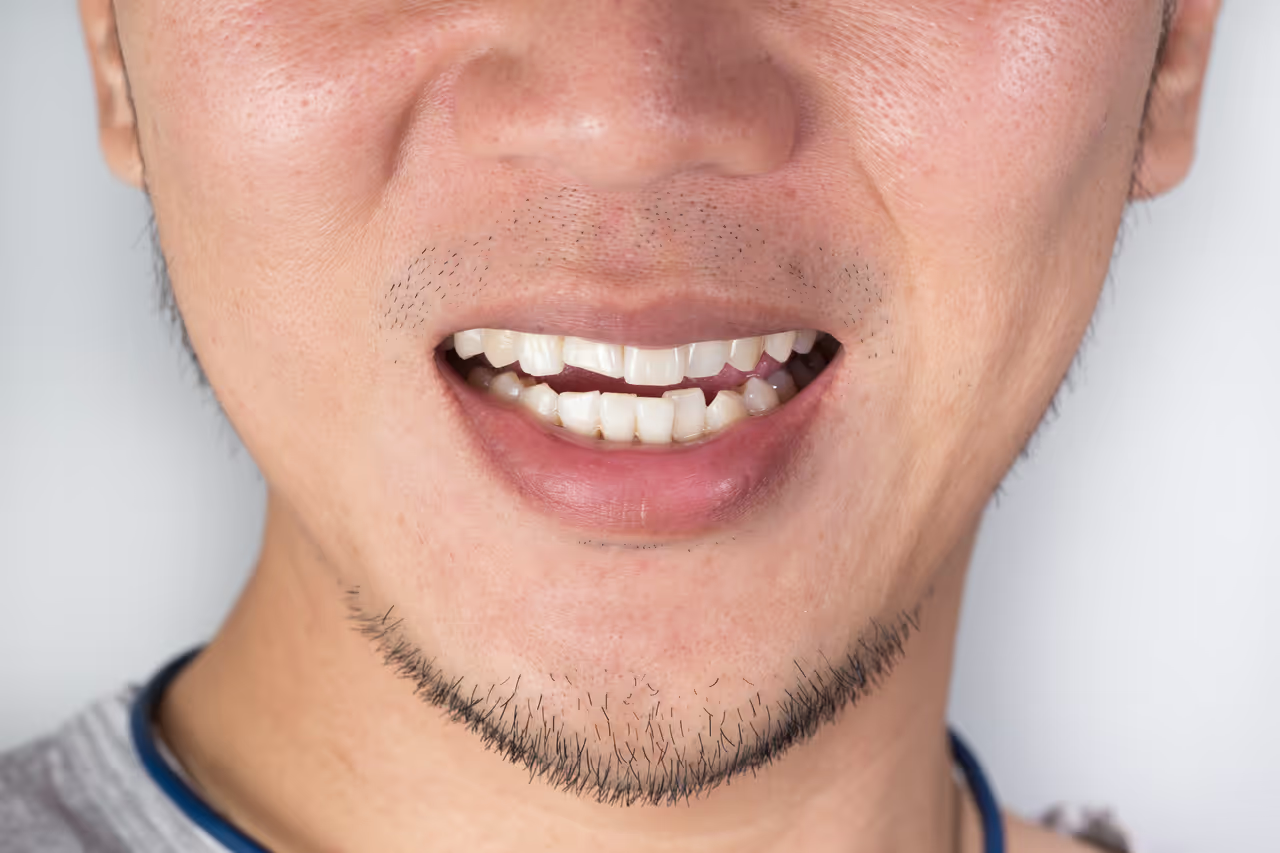
Chips and cracks range from minor cosmetic concerns to serious structural fractures that expose the inner pulp of the tooth. A broken tooth dentist visit is not just about appearance — untreated fractures can lead to infection, nerve damage, and eventual tooth loss. Depending on the extent of the damage, treatment may include bonding, a dental crown, or in severe cases, extraction followed by restorative planning.
Tooth Intrusion and Luxation Injuries
Sometimes a traumatic impact drives a tooth deeper into the jawbone (intrusion) or displaces it partially from its socket without fully knocking it out (luxation). These injuries are less visible than a knocked-out tooth but require careful clinical assessment. Improper handling can cause lasting damage to the root, surrounding bone, and neighboring teeth.
Soft Tissue and Root Fractures
Fractures that occur below the gumline or within the root itself are not always visible to the naked eye. Soft tissue injuries to the gums, lips, or cheeks may also accompany dental trauma. Advanced imaging — including the 3D cone beam CT scanning available at our office — helps Dr. Lee identify hidden fractures and plan treatment with precision.
Why Prompt Dental Trauma Treatment Matters
Teeth and the structures that support them begin to change quickly after an injury. Acting within the first hour is critical for avulsed teeth. But even for injuries that appear less severe, delayed care consistently leads to worse outcomes.
What Happens If You Wait to Treat a Dental Injury
Waiting to seek dental trauma treatment in Pasadena — even by a day or two — can turn a manageable injury into a complex one. A cracked tooth that reaches the pulp can become infected, requiring a root canal or extraction that might have been avoided with prompt attention. A partially displaced tooth left untreated may shift permanently or lose vitality. Soft tissue injuries can become sites of infection. The window for the most conservative, tooth-preserving treatment is often narrow — the sooner you call, the more options remain available.
Why Pasadena Patients Choose Joshua Dental for Dental Trauma Care
All Surgical and Restorative Care Under One Roof
Most general dental practices refer trauma patients to oral surgeons, endodontists, and prosthodontists — which means multiple appointments, multiple offices, and significant delays. At Joshua Dental, Dr. Lee manages the full scope of traumatic dental injury care in a single practice. Surgical stabilization, extractions if needed, and restorative planning — including crowns and implants — are all available here. No referrals. No handoffs. The same doctor who sees you on the day of your injury will guide your care through completion.
Sedation Options for Anxious or Injured Patients
Dental trauma is painful, and the anxiety that accompanies an injury can make treatment feel even more daunting. Joshua Dental offers IV sedation, oral conscious sedation, and general anesthesia in-office — options that most general practices simply do not have. If you are in pain, frightened, or need more extensive surgical intervention, sedation helps ensure your appointment is as comfortable as possible. You deserve to feel at ease, even in a difficult moment.
Traumatic Dental Injuries vs. General Dental Emergencies
How This Page Differs from Emergency Dentistry Services
Our emergency dentistry page covers same-day care for a broad range of urgent dental situations — severe toothaches, lost fillings, abscesses, and acute pain relief. This page focuses specifically on traumatic dental injuries: physical impacts that cause structural damage to teeth, roots, surrounding bone, or soft tissue.
The distinction matters clinically. Trauma cases often require diagnostic imaging, surgical assessment, and a phased restorative plan that extends beyond a single visit. While both categories benefit from prompt attention, a traumatic injury typically involves a different clinical pathway — one that may include stabilization, splinting, extraction, and eventual implant or crown placement — rather than immediate pain management alone. If you are unsure which category applies to your situation, call us and we will guide you to the right care.
What to Expect During Your Dental Trauma Appointment
Evaluation and Imaging
Your appointment begins with a thorough clinical examination and diagnostic imaging. Digital X-rays and, when indicated, 3D cone beam CT scanning give Dr. Lee a complete picture of the injury — including damage that may not be visible on the surface. This step is essential for identifying root fractures, bone involvement, and the condition of neighboring teeth.
Immediate Stabilization and Treatment Options
Once the injury is fully assessed, Dr. Lee will walk you through your options in plain language before any treatment begins. Depending on the injury type, immediate treatment may include reimplantation and splinting of a knocked-out tooth, bonding or temporary restoration for a chipped or broken tooth, repositioning and stabilization of a displaced tooth, or tooth extraction when a tooth cannot be saved. You will understand exactly what is happening and why at every step.
Restorative Follow-Up Planning
Many trauma cases require follow-up care after the initial stabilization visit. This may include a permanent crown, root canal therapy if the pulp is affected, or — for teeth that cannot be preserved — a dental implant to restore full function and appearance. Because all of these services are available at Joshua Dental, your restorative plan can move forward without delays or referrals.
Frequently Asked Questions About Dental Trauma in Pasadena
Question text goes here
Answer text goes here
What should I do if my tooth is knocked out?
Pick up the tooth by the crown — never the root — and gently rinse it with water if it is dirty. Try to reinsert it into the socket, or keep it moist in a container of milk or saliva. Call Joshua Dental immediately; the best outcomes occur when a knocked-out tooth is treated within 30 to 60 minutes of the injury.
Can a chipped tooth be repaired the same day?
In many cases, yes. Minor to moderate chips may be addressed with bonding or a same-day restoration during your initial appointment. More extensive fractures may require a dental crown or additional follow-up, which Dr. Lee will outline clearly after examining the injury.
Will I need a crown or implant after a dental injury?
It depends on the severity and location of the injury. Some teeth can be stabilized and restored with a dental crown; others that cannot be saved may ultimately be replaced with a dental implant. Dr. Lee will assess the tooth thoroughly and walk you through every option before any treatment begins.
Is dental trauma treatment covered by insurance?
Many dental insurance plans include some coverage for trauma-related treatment, though the extent varies by plan. Our team will help you understand your benefits and explore available financing options. Visit our Insurance & Financing pagefor more information, or call us to discuss your specific plan.
Ready to Schedule Your Visit?